“The informality of family life is a blessed condition that allows us all to become our best while looking our worst.” – Marge Kennedy
A family is a place of safety, security, comfort and joy. But also of challenge and growth, where it’s safe to fail and take risks. Despite the disagreements and frustrations you have with each other at times, you are bonded by the strongest love and devotion to each other.
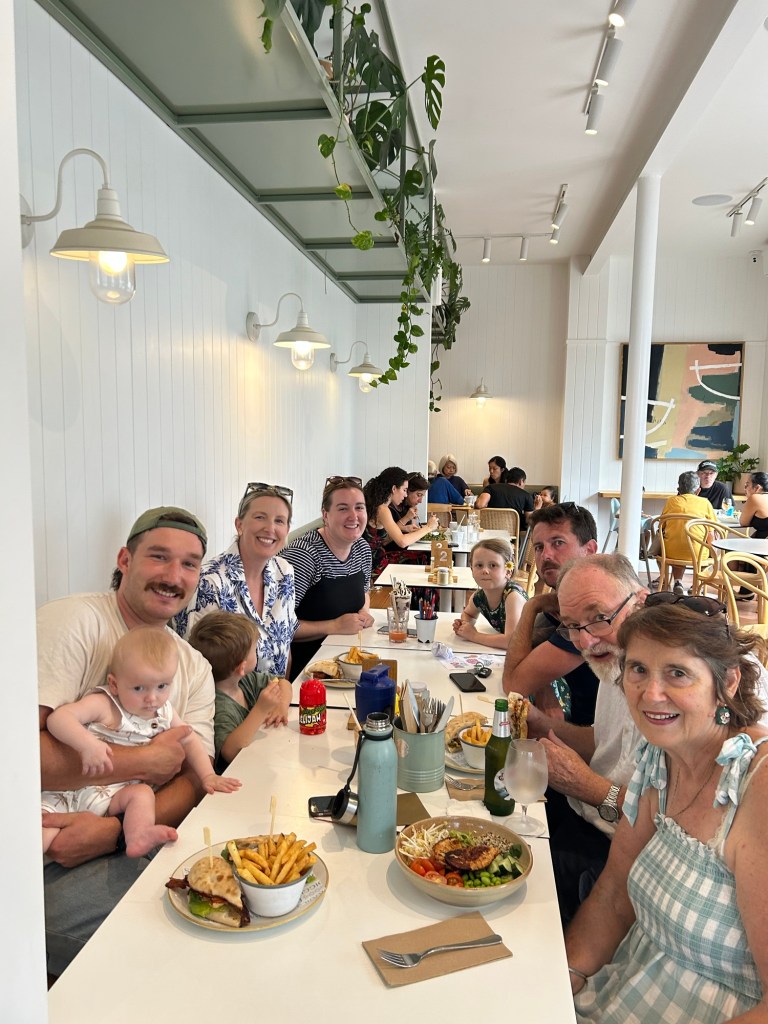
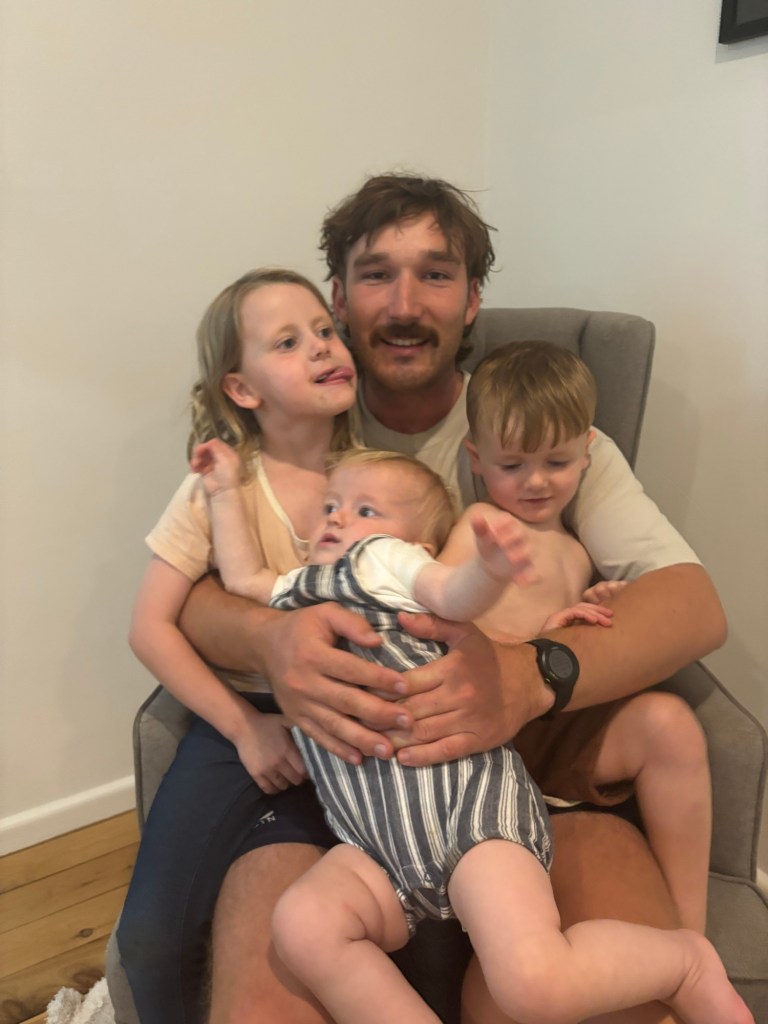
In this season I have found it harder than I thought to leave family who I often took for granted, the closeness to and time shared. It’s especially difficult missing milestones, seeing sickness rock people whilst separated by thousands of kilometres or spending time with my neice and nephews watching them grow into incredible little humans.
In Aboriginal culture, family is everything. On Elcho Island, they are part of the Yolŋu people of East Arnhem Land.
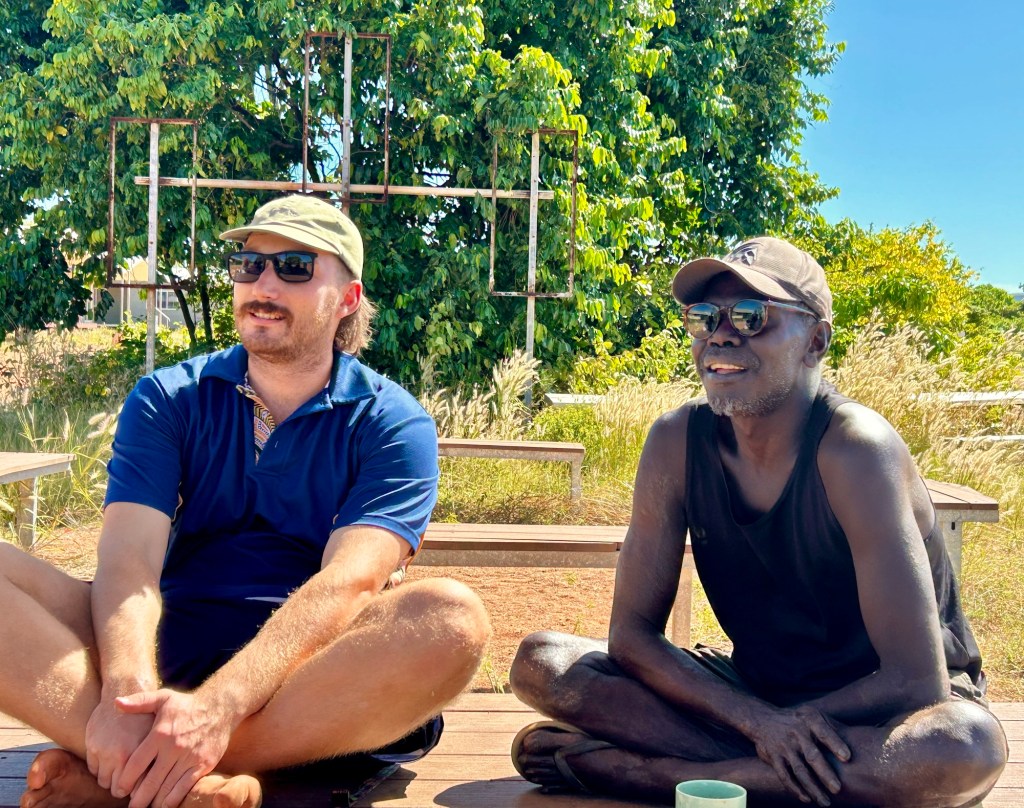
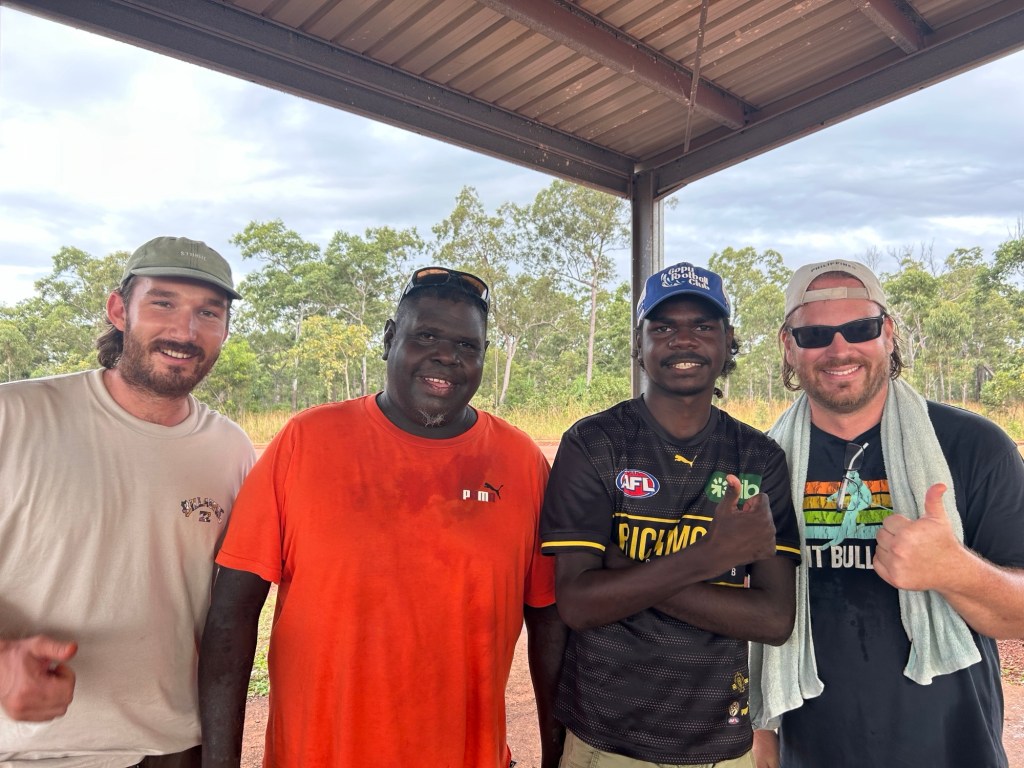
To relate with people and accept them into community life, Yolŋu need to know ‘what they call you’, that is, what their relation is to you and therefore how to interact with you. As shared on the previous blog, I was privileged to be adopted as a brother by a young man named Wiŋ Wiŋ (or Malachi). This has helped the community to accept me as one of theirs and his relationships become my relationships. As my brother I call him ‘wäwa’. This has helped me feel accepted and a part of community, but also allowed them to welcome me in.
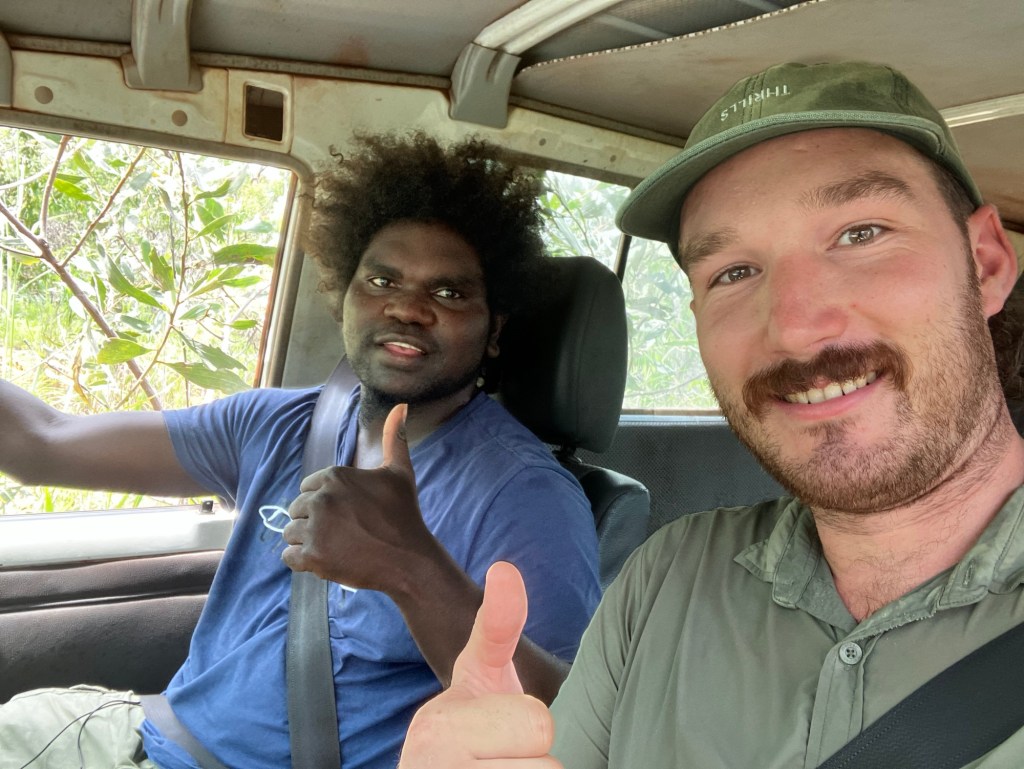
In Yolŋu culture everyone has a responsibility for their community and family. Most do not live with their direct mother (ŋama) or father (mälu) but will live alongside their brothers (wäwa) sisters (yapa), cousins (galay or dhuway), uncles and aunties (ŋapipi and mukul). In this approach, the saying “it takes a village to raise a child” is lived out, as the community seeks to support the children (djamarrkuḻi’) and each person looks out for the other. Ensuring they have their essential needs met.
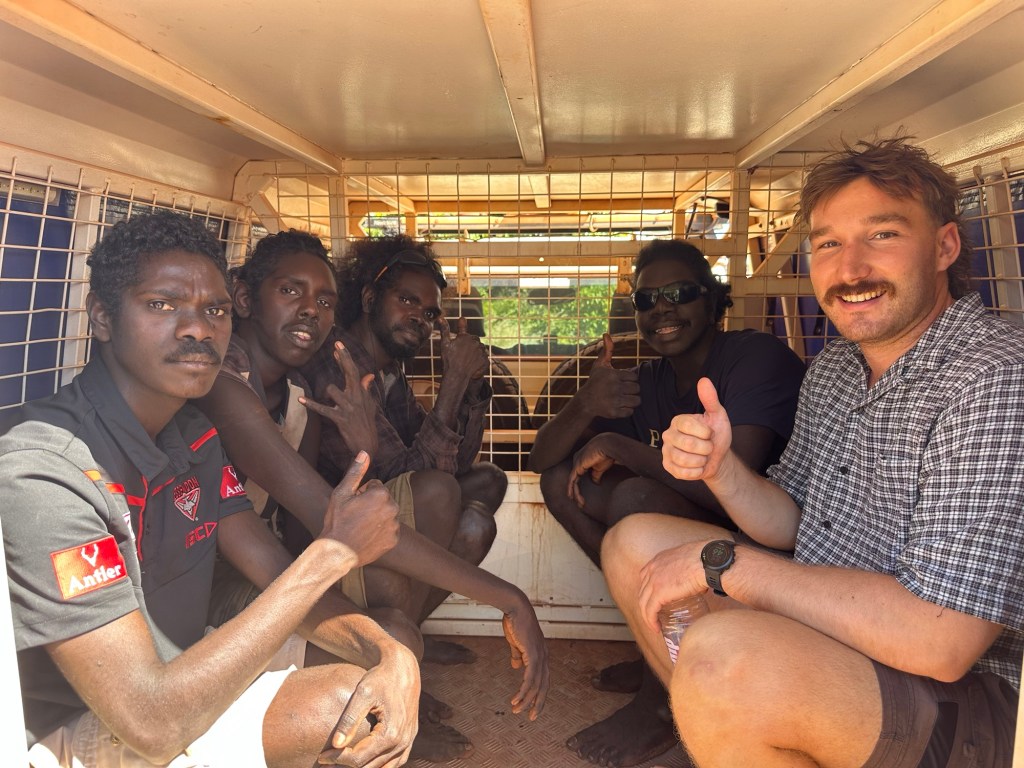
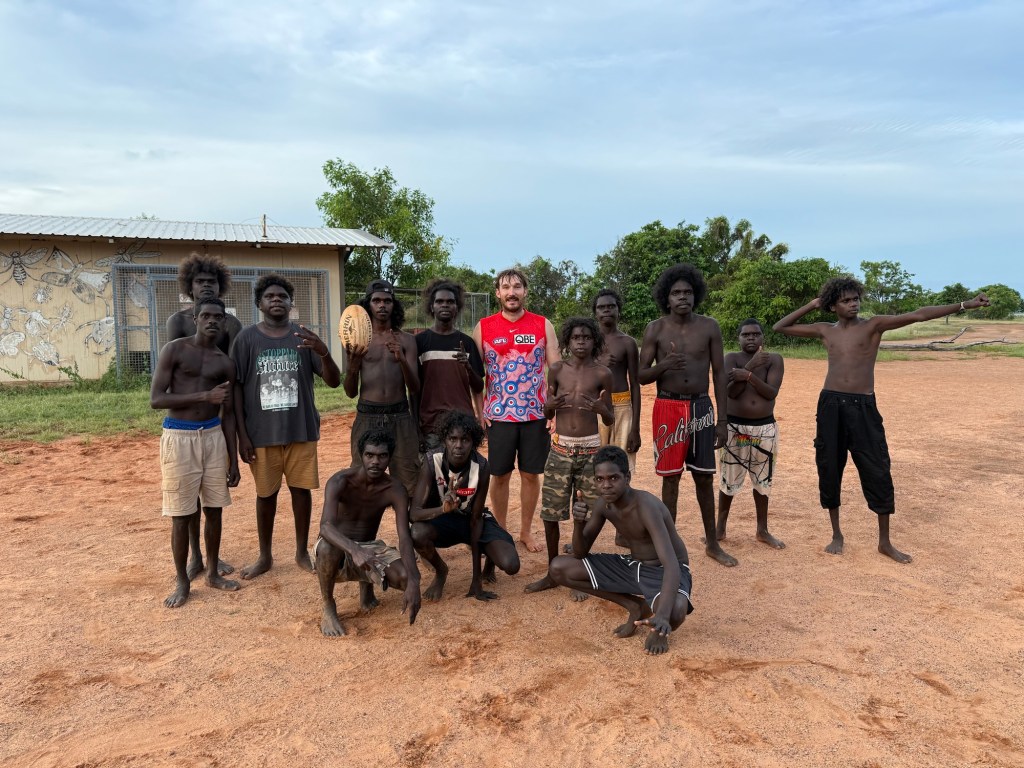
I often see my team teachers JC and Mark buying dinner for all the young men with their money earned from teaching. Even though not all of them are their wäwa.
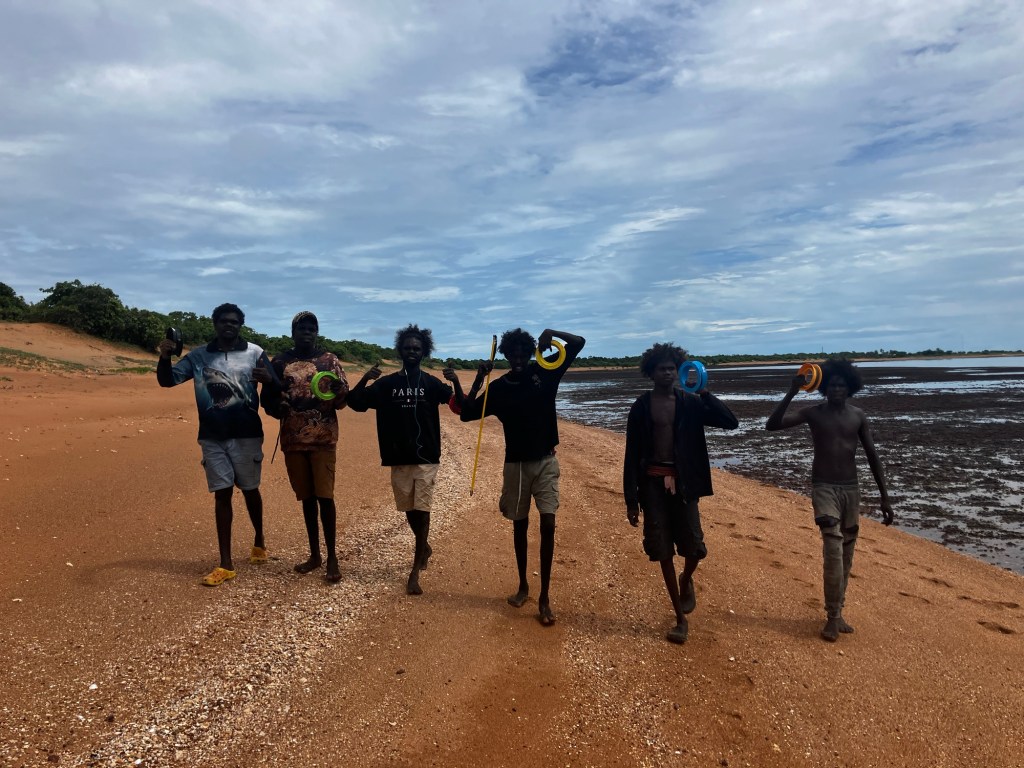
Through being welcomed in as family, I can also give back and often have some of the boys visit after school for a shared meal either the balanda (western) or yolŋu way.
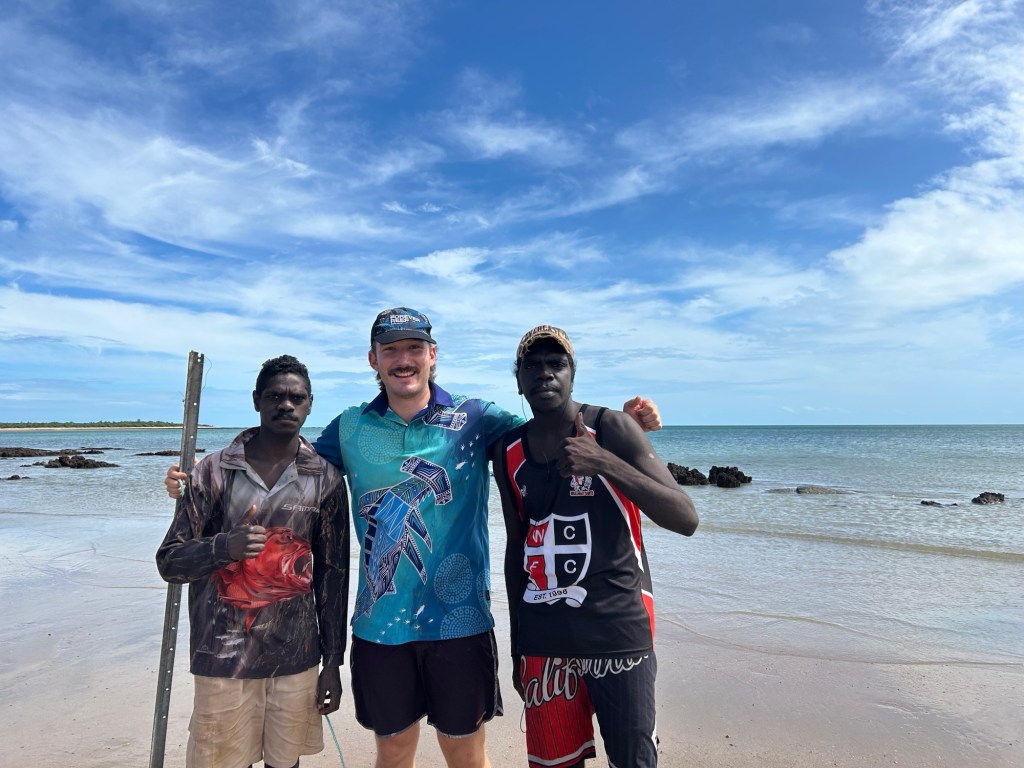
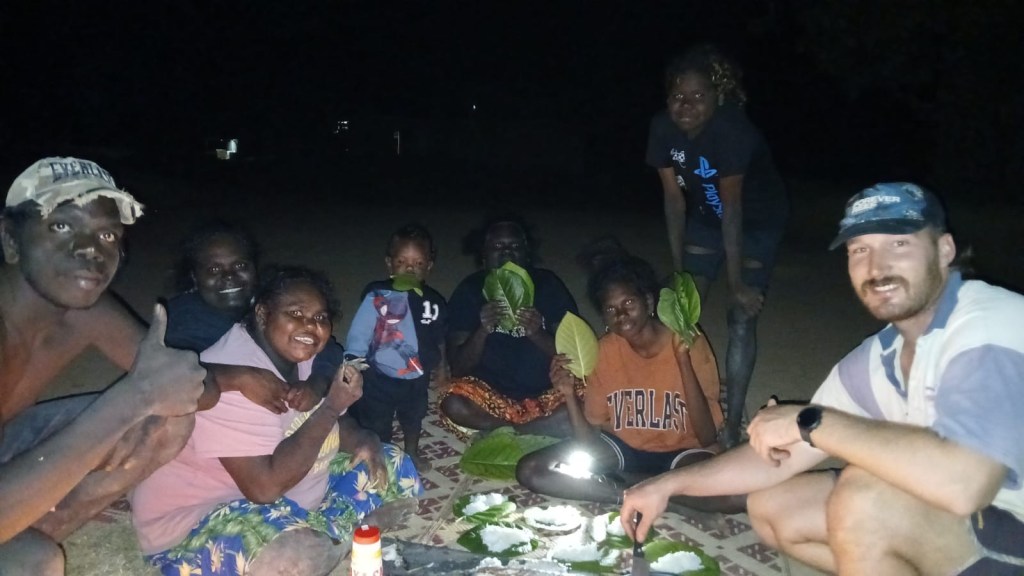
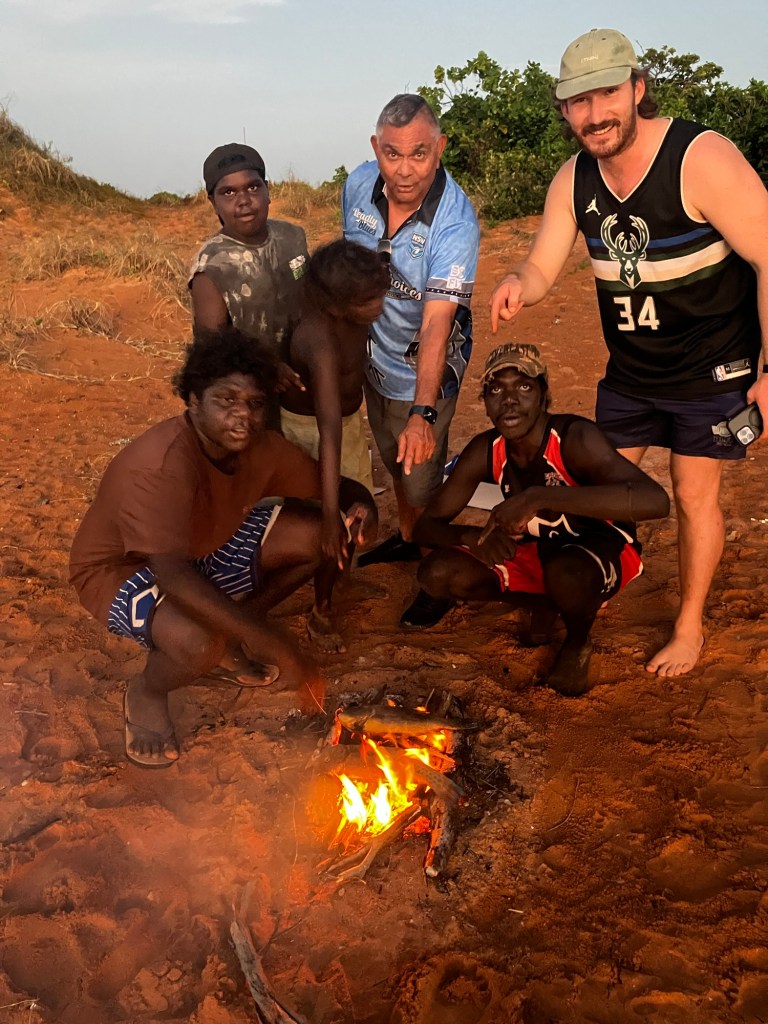
Some of my favourite moments on Elcho have been meals by the fire prepared by ŋama mala (mothers) or wäwa mala (brothers) as we share some meat (buluki- beef or bikipiki- pork) or the catch of the day. Being either fish (ŋarrirri), crab (nyoka) or on special occasions turtle (miyapunu). I find it especially rewarding cooking the food that we’ve hunted from their own country on the fire. As it feels like I’m practicing one of the oldest ways of sustaining self, that has been done for a thousand generations.
My Principal Rachel shares of her experience, being adopted into Yolŋu family, brilliantly in her book “Adopted in Love”.
“My husband Cameron and I first met Hannah and Alvin in 2016. They helped us settle into Gäwa with regular visits and impromptu language and culture lessons. I was most blown away when they taught their children to call us mum and dad. We also had the privilege of calling their parents and grandparents our own too. As the youngest of 11 children, my grandparents had already passed away when I was born and I lost my dad many years ago. To be welcomed into this new family was so kind. There was nothing Cam and I did to deserve this, and yet we were so embraced.”
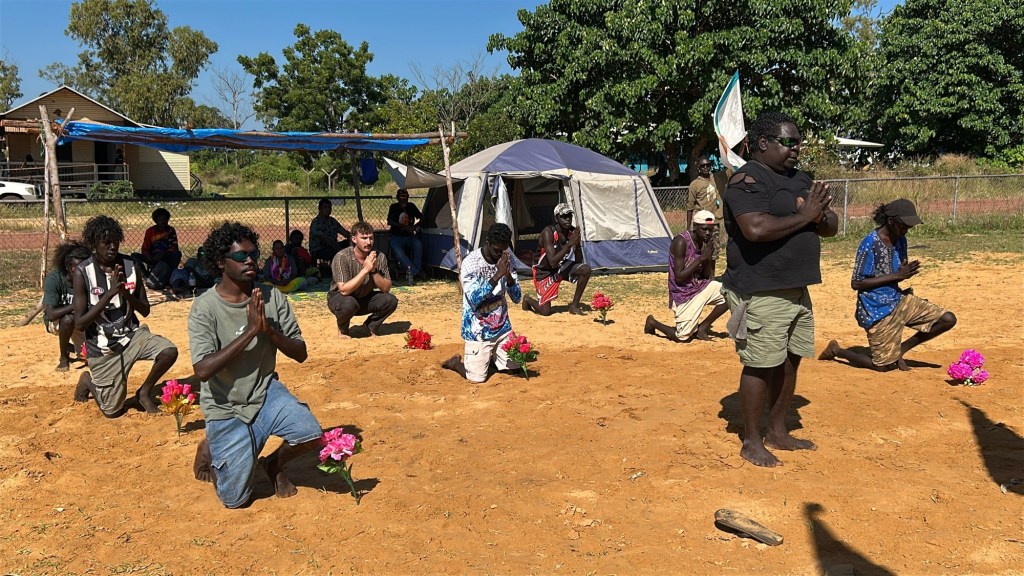
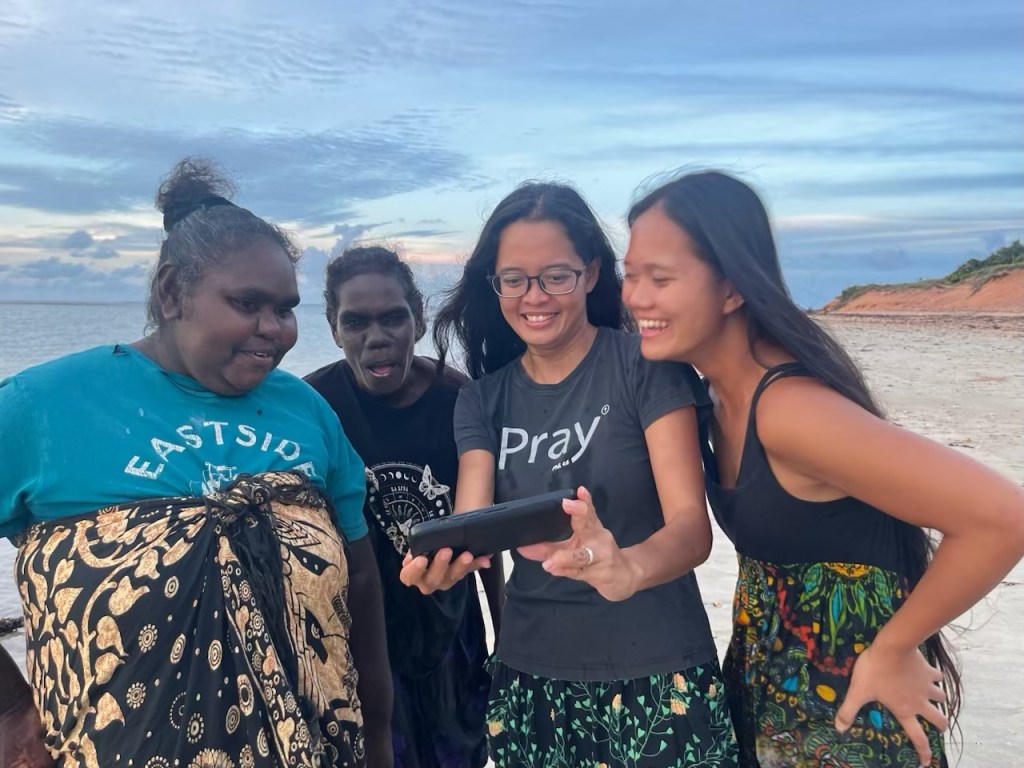
Since I’ve been on Elcho, I have also felt embraced and loved by the community. Another one of my favourite moments in community, is when we gather for ‘worship nights’. Where the community celebrates together and expresses their love for Jesus through dancing, singing and prayer.
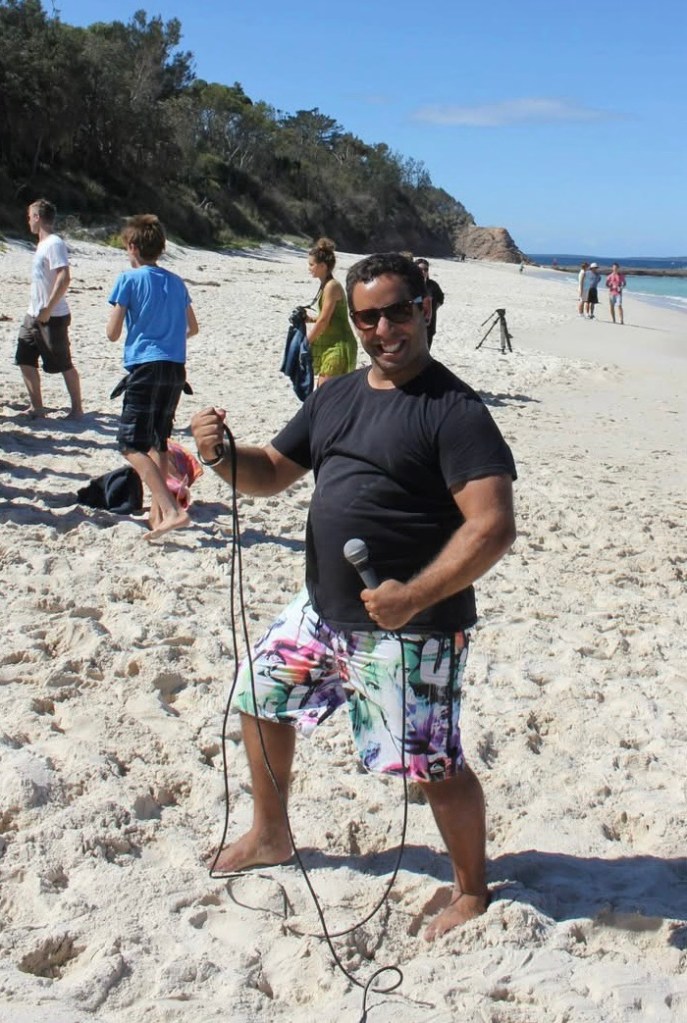
In my life I have felt the love of Jesus in an overwhelming way. Knowing that despite all my shortcomings and failures, I am known and loved by the Creator of the world as his son. Growing up in church, I did not always see this love for people practised or extended by everyone who called themselves a ‘Christian’. It wasn’t until I was 13 that I experienced this love, modelled to me by an amazing Aboriginal man, whose name is Nathanael Curtis. He welcomed me, got to know me and showed me such kindness regardless of who I was, but just because he was sharing with me, the same love, that Jesus had for him.
It’s a love that is mirrored by the Yolŋu way of adoption and in Rachel’s book she articulates it by saying, “Being adopted means Rachel and Cameron are part of the Yolŋu family. They are loved because they are family. When we came into this world, we were separated from God’s family. But from the very beginning, God had planned to adopt us in love. He sent Jesus. Being adopted through Jesus means you and I are part of God’s family. We are loved, forgiven and free.”
My prayer is that you and I experience this incredible love that God has for us, from his people and through his creation!
You are loved. You are a part of the family.
 venture with josh
Leave a comment